
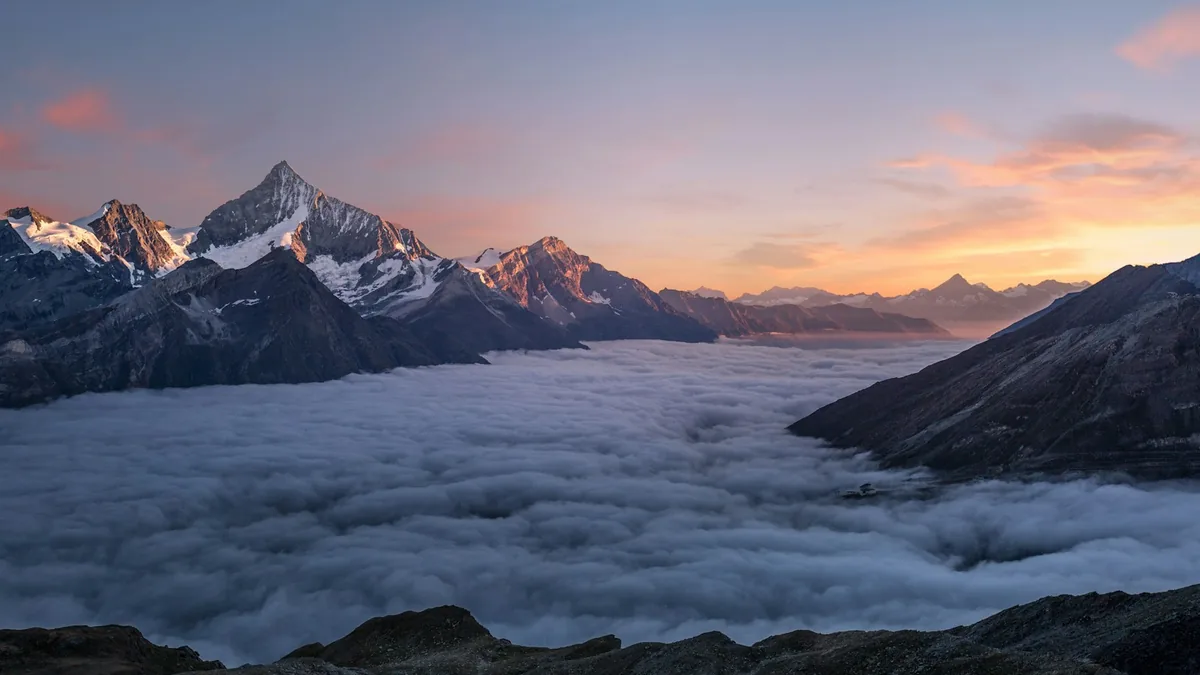
Gahkuch sits quietly in the heart of Ghizer Valley, where the Gilgit River bends through apricot orchards and pine-covered hills. Most travellers arrive with a single question: when does this corner of Gilgit-Baltistan look its best? The honest answer depends on what you want from the mountains — snow-dusted peaks, wildflower meadows, crisp autumn light, or the buzz of the polo season at Shandur. This guide breaks down each season month by month, with practical notes on weather, road access, and what you can realistically see from a base in Gahkuch.
Understanding Gahkuch’s Climate
Gahkuch lies at roughly 2,000 metres above sea level in northern Pakistan, which puts it in a transitional zone between the milder lower valleys and the high passes that stay snowbound for half the year. Summers are warm but rarely stifling; winters are cold and can be snowy, though the town itself usually remains accessible along the Gilgit–Gahkuch road. Rainfall is modest compared with the monsoon belt farther south, but spring and early autumn can bring sudden showers that freshen the air and sharpen the views.
Altitude matters when you plan day trips. Phander Lake sits higher than Gahkuch, and Shandur Pass climbs above 3,700 metres. A pleasant afternoon in town can still mean chilly winds at the pass, even in July. Layered clothing is not a cliché here — it is basic trip planning.
Local farmers time their work to the seasons: apricot harvest in summer, potato and wheat cycles in spring and autumn. Watching village life adjust to the calendar gives you a useful reality check beyond whatever the weather app says.
Regional Weather Patterns
Ghizer Valley is sheltered compared with open plateau areas like Shandur. Clouds often stack against the Hindu Kush and Karakoram ranges to the north and west, which means Gahkuch can stay clearer when higher ground is fogged in — or vice versa. Mornings tend to be calmer; afternoon thermals can stir up dust on dry tracks and chop up reflections on lakes.
If photography is a priority, plan outdoor shoots for the first two hours after sunrise and the hour before sunset. The light on the Gilgit River and surrounding ridges at those times is the reason many visitors extend their stay once they arrive.
Spring in Ghizer Valley (March–May)
Spring arrives late by lower-altitude standards. March can still feel like winter in Gahkuch, with night temperatures near freezing and patches of old snow in shaded gullies. By April, however, the valley wakes up quickly. Almond and apricot trees flower in staggered waves — white and pink blossoms along the road to Phander are one of the region’s underrated sights.
Road conditions improve steadily through May as snow melts on side routes. Lower trails around Gahkuch become walkable, and villagers begin preparing fields above the river. Crowds are thin compared with summer, which suits travellers who prefer quiet guesthouses and unhurried conversations over tea.
Spring is an excellent time to explore top attractions in Ghizer Valley without the peak-season traffic on popular viewpoints. Khalti Lake, a short drive from Gahkuch, often mirrors sky and mountains crisply before summer haze settles in.
Summer: Peak Season (June–August)
June through August is when Ghizer Valley sees the most visitors — and for good reason. Daytime temperatures in Gahkuch typically range from 20°C to 30°C, skies are predominantly clear, and high passes including the route toward Shandur are generally open. Families from hotter parts of Pakistan escape here for relief, and international trekkers use the valley as a staging point for longer routes.
July brings the famous Shandur Polo Festival, a cultural highlight that draws spectators from across Gilgit-Baltistan and beyond. If your dates are flexible and you enjoy festivals, building your trip around that event is worthwhile — but book accommodation early. Our Shandur Pass travel guide covers road access and what to expect at the ground.
Summer Day Trips from Gahkuch
From a base in Gahkuch, summer opens up the classic triangle of destinations:
- Phander Valley — meadows, the main lake, and village walks; allow a full day or an overnight.
- Khalti Lake — closer to town, ideal for a half-day outing with picnic potential.
- Shandur Pass — long but feasible as a very early start; check road status locally.
Green grass, wildflowers, and cattle on high pastures give the landscape a Swiss-alpine feel that catches many first-time visitors off guard. The photo gallery on our site gives a sense of what summer light does to the valley — though nothing replaces seeing it in person.
Autumn Colours (September–November)
Autumn may be Ghizer’s finest season for photographers and anyone who dislikes crowds. September still feels like summer in the afternoons, but nights cool sharply. By October, poplar and willow trees along the Gilgit River turn gold and amber, framing villages in colours that look almost staged.
Harvest activity picks up — apricots dried on rooftops, potatoes lifted from terraced fields. Local markets in Gahkuch sell seasonal produce at friendly prices. Trekking at lower elevations remains comfortable through October, though passes toward Shandur can close with the first heavy snow, often in late October or November.
November quiets down considerably. Some guesthouses reduce hours, but established hotels in Gahkuch stay open for the hardy travellers who come for crisp air and empty trails. If you visit then, confirm road conditions toward Phander and Khalti before setting out.
Winter Travel (December–February)
Winter in Gahkuch is cold, with daytime highs often near freezing and nights well below. Snow falls regularly from December through February, blanketing rooftops and side valleys in white. The main Gilgit–Gahkuch road usually stays open, but side trips to high lakes and passes become unreliable or impossible without proper equipment.
That said, winter has its own appeal. The valley is silent. Wood smoke rises from chimneys. On clear days after a fresh snowfall, the contrast between dark river water and white peaks is extraordinary. Rates at many accommodations drop, and you share restaurants with locals rather than tour groups.
Travellers aiming for Shandur or high Phander tracks should not plan serious winter expeditions without local guides and appropriate vehicles. For a cosy few days eating hearty food at the hotel restaurant, walking village paths, and reading by a heater, winter works — if you pack seriously warm layers.
Month-by-Month Guide
| Month | Typical Weather | Road Access | Best For |
|---|---|---|---|
| March | Cool, occasional rain | Main road open; high passes closed | Quiet travel, early blossoms |
| April | Mild days, cold nights | Improving; some side routes opening | Flowering orchards, photography |
| May | Warm, stable | Most valley routes accessible | Hiking, first lake visits |
| June | Warm to hot days | Fully open | Family trips, Phander overnight |
| July | Peak summer | Fully open including Shandur | Polo festival, high passes |
| August | Warm, occasional showers | Open | Last busy month before autumn calm |
| September | Mild, clear | Open | Shoulder season value |
| October | Cool, colourful foliage | Most routes; pass may close late month | Autumn photography |
| November | Cold, first snow possible | Main road usually fine | Solitude, low prices |
| December–February | Cold, snowy periods | Main road; limited side trips | Winter atmosphere, indoor focus |
Best Time by Interest
Different travellers want different things from Gilgit-Baltistan. Here is a quick match between interests and timing:
- First-time visitors — June or September for a balance of access, comfort, and scenery.
- Photographers — October for colour; May for blossoms; winter for high-contrast snow scenes.
- Culture and festivals — July for Shandur Polo; local village events often coincide with harvest in autumn.
- Trekkers — July–September for high routes; May–June for lower valley walks.
- Budget travellers — April, May, October, or November for lower rates and fewer tourists.
- Families with children — June or early September; see our family vacation guide to Ghizer Valley for pacing; avoid pass roads with young kids in winter.
Combining Destinations by Season
Many visitors use Gahkuch as a hub for multi-day loops. In summer, a common itinerary pairs Phander with Shandur over three or four nights — see our Phander Valley travel guide for pacing suggestions. Khalti Lake fits almost any season when the road is open; details are in the Khalti Lake visitor guide.
Trying to squeeze Phander, Shandur, and Khalti into a single day is possible only in midsummer with an very early start — and it leaves little room to actually enjoy the places. Two or three nights in Gahkuch transforms a rushed checklist into a trip you remember.
Planning Your Stay in Gahkuch
Where you stay shapes how you experience the seasons. Our where to stay in Gahkuch guide compares accommodation in town, while day trips from Green Palace Hotel radiate outward to the valley’s star attractions. A central base puts the Gilgit River, local bazaar, and main road within easy reach. Green Palace Hotel rooms offer a comfortable stop with mountain views — useful when an afternoon shower sends you indoors but the sunset might still break through.
Pack for versatility regardless of month: sun protection matters at altitude even in winter, and sturdy shoes handle everything from bazaar strolls to lakeside paths. Cash is still king in smaller shops, though larger hotels accept common payment methods — confirm before you rely on cards alone.
Reach Gahkuch from Gilgit city in roughly two to three hours by road, depending on conditions. Flights to Gilgit from Islamabad operate year-round when weather permits; see our Islamabad to Gahkuch route guide for realistic overland timings. From Gilgit, hire a car or use local transport westward into Ghizer. Check conditions in Gilgit before departure during spring melt or heavy winter snow.
If you have questions about dates, room availability, or arranging drivers, the contact page is the simplest way to reach our team. We live here year-round and can tell you honestly whether your planned week matches what the valley typically delivers.
FAQs
What is the best month to visit Gahkuch?
For most travellers, June or September offer the best mix of weather, road access, and manageable crowds. July suits those attending the Shandur Polo Festival.
Does it snow in Gahkuch?
Yes, from December through February snow is common, especially at night. The town usually remains reachable by road, but high-altitude side trips may be blocked.
Can I visit Phander Lake in winter?
Sometimes, if the road is clear and locals advise it is safe. Winter access is unpredictable; confirm conditions in Gahkuch before travelling.
How many days should I spend in Ghizer Valley?
Three to four nights in Gahkuch allows one day each for Phander, Khalti Lake, and Shandur without rushing, plus time to explore town.
Ghizer Valley rewards patience and a little flexibility. Weather shifts, roads close briefly, and plans change — but that is part of travelling in real mountains, not a brochure. Pick a season that matches your tolerance for cold, your appetite for festivals, and how deeply you want to explore. Then give yourself enough days to let Gahkuch settle from a dot on the map into a place you know by the sound of the river at night.
When your dates are set, browse Green Palace Hotel for current offers and start building an itinerary that fits the valley — not the other way around.
Planning a trip to Ghizer Valley?
Stay at Green Palace Hotel in Gahkuch and enjoy comfortable rooms, beautiful mountain views, delicious local food, free WiFi and easy access to Phander Valley, Khalti Lake and Shandur Pass.
Related Articles
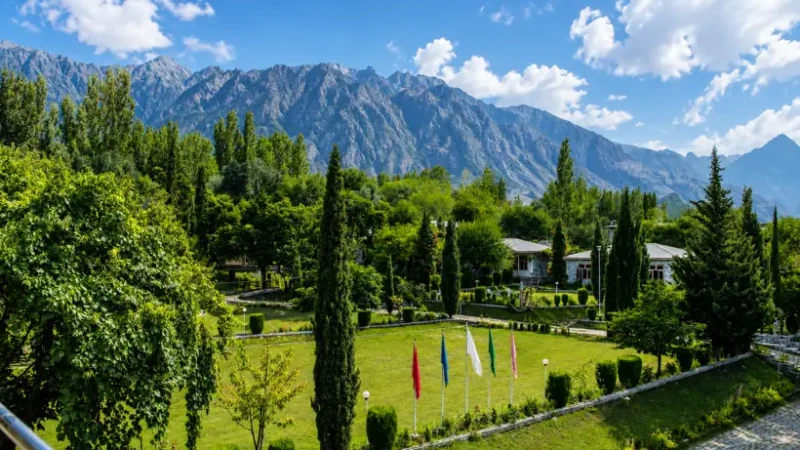
Why Green Palace Hotel is the Best Hotel in Gahkuch
A balanced review of Green Palace Hotel Gahkuch covering rooms, dining, amenities, and who it suits best—without the sales pitch.
Read More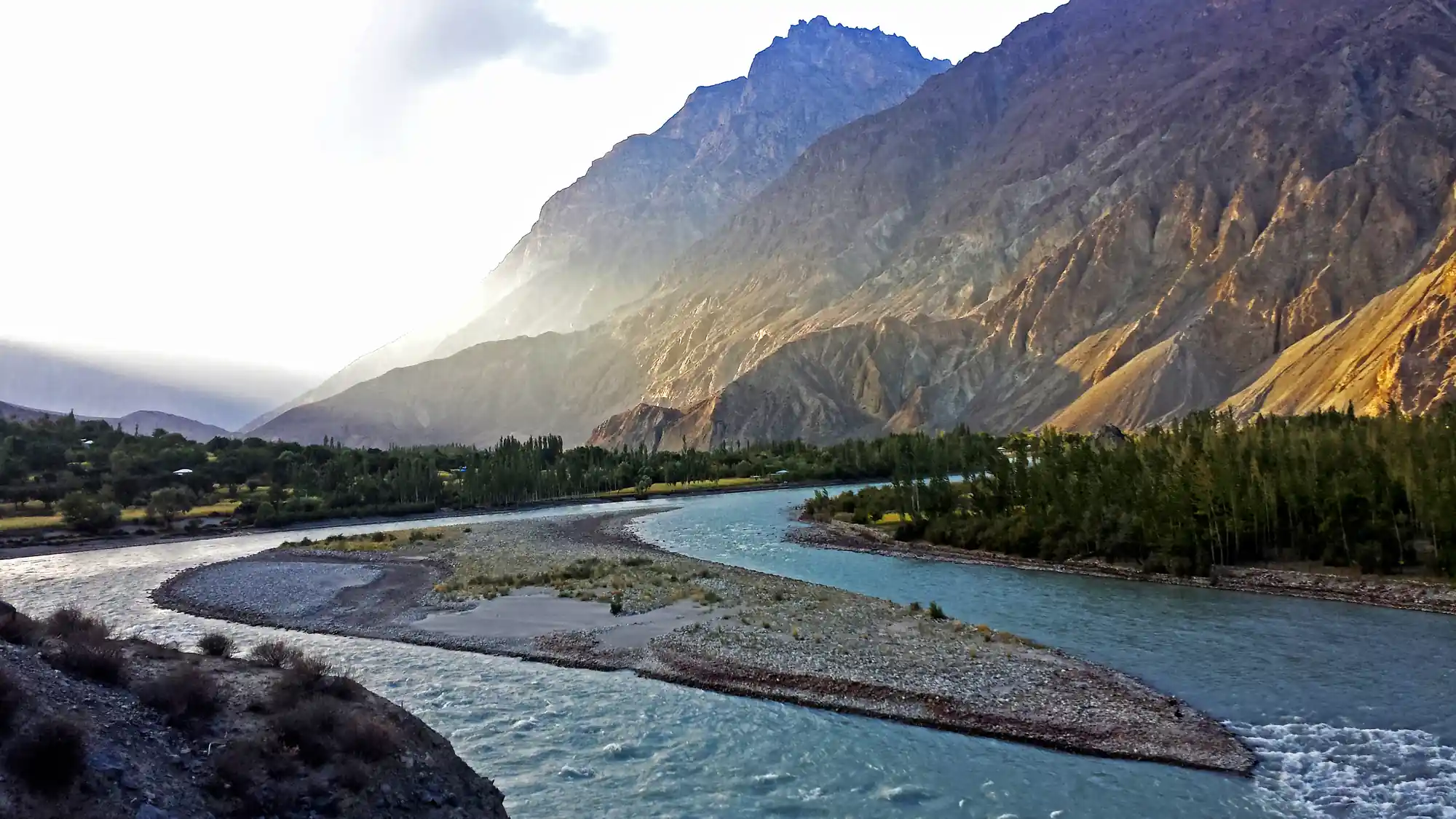
Things to Do Near Green Palace Hotel in Gahkuch
From Khalti Lake to Phander Valley and Shandur Pass—what to do near Green Palace Hotel in Gahkuch with realistic drive times and…
Read More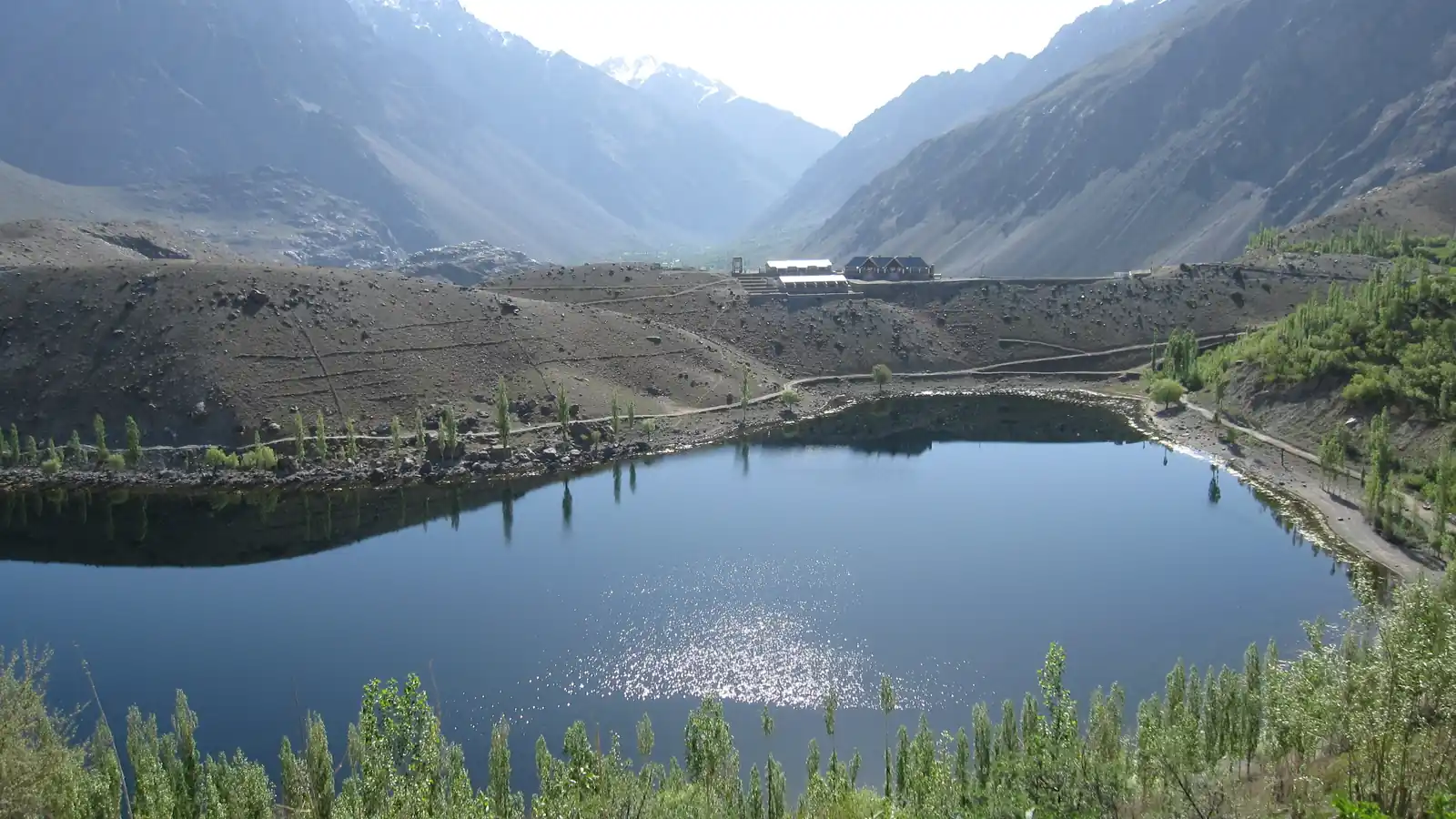
Family Vacation in Ghizer Valley: A Complete Guide
How to plan a family vacation in Ghizer Valley—from drives and altitude to kid-friendly lakes, hotel tips, and a sample five-day itinerary…
Read More